

Understanding the German Driving License: A Comprehensive Guide
Browsing the procedure of getting a German driving license can be a complicated job for both locals and expatriates. Whether you're a long-term citizen in Germany or a beginner simply settling in, comprehending the requirements, procedures, and nuances of the German driving license system is necessary. This short article aims to supply an in-depth exploration of everything you need to understand about acquiring a driving license in Germany, including procedures, types of licenses, and frequently asked questions.
Overview of the German Driving License System
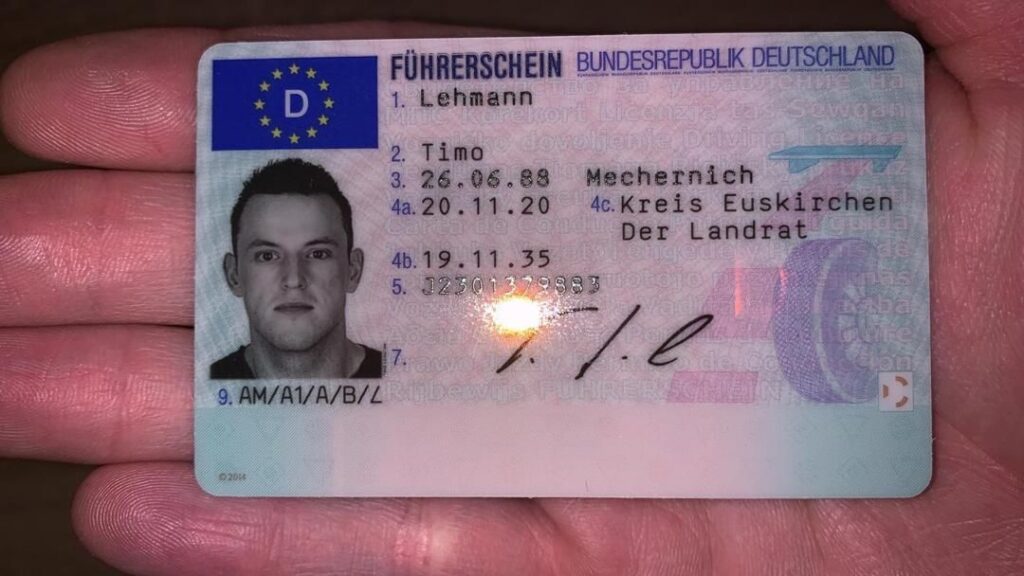
The German driving license (Internationaler deutscher führerschein) is recognized across Europe and becomes part of the European Union's standardized system. There are various classes of driving licenses in Germany, each permitting the holder to run various kinds of cars. Below is a table detailing the most typical license categories:
| License Class | Cars Allowed | Minimum Age |
|---|---|---|
| Class A | Motorcycles (over 125cc) | 24 years |
| Class A1 | Motorbikes (approximately 125cc) | 16 years |
| Class B | Cars (approximately 3.5 tons, approximately 9 seats) | 18 years |
| Class C | Trucks (over 3.5 lots) | 21 years |
| Class D | Buses (over 9 seats) | 24 years |
| Class BE | Cars and trucks with trailers (over 750kg) | 18 years |
Process of Obtaining a German Driving License
Eligibility Requirements
- Need to be a citizen of Germany (for a minimum of 185 days).
- Should offer proof of identity (passport or national ID).
- Should possess a valid vision test certificate.
- Should complete an emergency treatment course.
Theoretical Training
- Register in a driving school (Fahrschule) and total theoretical lessons.
- The theoretical test consists of multiple-choice questions covering traffic guidelines, road indications, and safe driving practices.
Practical Training
- Complete practical driving lessons with an instructor.
- The hours of required driving lessons depend on your previous driving experience (if any).
Evaluations
- Pass the theoretical examination.
- Pass the useful driving test.
Application Process
- Send all needed documents (application, evidence of identity, vision test certificate, first aid course completion certificate).
- Pay the application cost, which can differ depending on the city and area.
Types of Driving Licenses in Germany
The German license system is divided into several categories, accommodating different lorry types. Here's a list of the most considerable classes and a short description of each:
- Class A: Unlimited access to motorcycles.
- Class A1: Limited access to smaller motorcycles.
- Class B: Cars and vans (approximately 3.5 lots).
- Class C: Larger automobiles, mostly trucks.
- Class D: Buses and bigger traveler cars.
- Class BE: Allows driving vehicles hauling trailers that go beyond 750 kg.
Expenses Associated with Obtaining a Driving License
Understanding the expenses involved is important for budgeting. Below is a rough breakdown of costs connected with obtaining a German driving license:
| Item | Estimated Cost (EUR) |
|---|---|
| Driving School Fees | 1,500 - 2,500 |
| Theoretical Exam Fee | 20 - 50 |
| Practical Exam Fee | 100 - 250 |
| Application Fee | 40 - 70 |
| Vision Test | 10 - 30 |
| First Aid Course | 30 - 60 |
| Total Estimated Cost | 1,730 - 2,990 |
Tips for a Smooth Application Process
- Choose a Reputable Driving School: Research regional driving schools, check evaluations, and ensure they are certified.
- Get ready for Exams: Use study guides and apps to examine theory concerns and practice driving maneuvers.
- Practice Driving: If you're currently a knowledgeable chauffeur, practice in the city to acquaint yourself with German road rules and conditions.
- Stay Updated: Regulations can change; always check the current requirements from main sources.
Regularly Asked Questions (FAQ)
1. The length of time does it take to get a German driving license?The timeline
can vary, but normally it takes about 3-6 months, depending on how quickly you complete the required training and tests.
2. Can I drive in Germany with a foreign license?Yes, but you can just utilize a license?Yes, the minimum age varies by the lorry class, ranging from 16 to 24 years. 4. What must I do if I stop working the driving test?You can retake the test, but there is frequently a waiting period. Make sure to examine and enhance your abilities before the next attempt. 5. Exist any special provisions for expatriates?Expatriates may require to provide additional paperwork, such as residency status or evidence of previous driving experience. Some nations have specific agreements permitting much easier conversion of licenses. Getting a German driving license is a structured process that needs careful consideration, preparation, and adherence to regulations . Understanding the requirements and actions included can significantly relieve the journey towards ending up being a certified motorist in Germany. Whether for travelling, checking out the scenic paths, or taking a trip across Europe, having a valid driving license opens up a world of possibilities in this lively country.
your foreign license for a minimal time (generally 6 months). After this period, you will need to convert it to a German driving license. 3. Exists an age limitation for acquiring