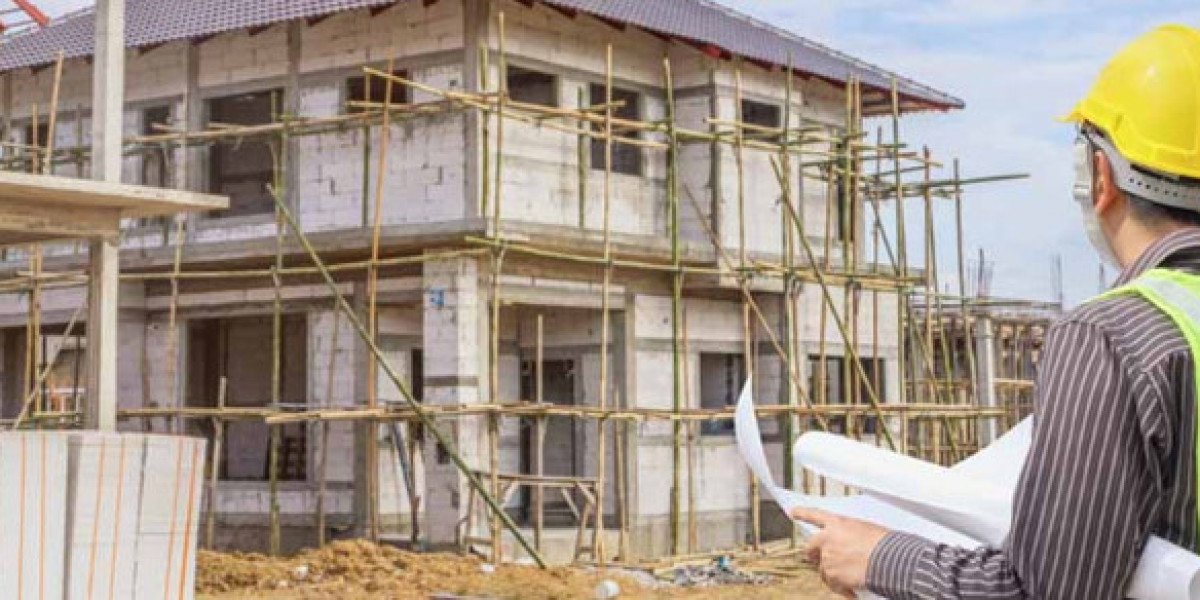

Adding new space to your home is an exciting step, whether you are expanding your kitchen, adding a bedroom, or creating a multifunctional living area. The process becomes smoother and far more efficient when you know what to expect from the professionals handling the job. When you partner with experienced home addition builders in Edison, NJ, you can look forward to a structured, transparent, and expertly guided journey from concept to completion. Understanding this process helps you prepare better, make informed decisions, and feel confident about the investment you are making.
1. Initial Consultation and Needs Assessment
The first stage of working with home addition builders typically begins with an in-depth consultation. During this meeting, the builder learns about your goals, preferred design style, project scope, and budget. You will discuss why you need the home addition—whether it’s for extra living space, improved functionality, or increased property value.
This stage often includes a walkthrough of your home, allowing the builder to evaluate the current structure, assess possible expansion areas, and identify any potential challenges that may affect design or construction. The goal is to establish a clear understanding of your expectations and determine whether the desired project is feasible.
2. Design Development and Space Planning
Once the initial consultation is complete, the next phase involves design development. Builders work with architects, designers, or in-house design teams to create layouts, floor plans, and visual concepts. During this stage, you can expect to make detailed choices about room placement, structural adjustments, materials, and overall aesthetics.
Design development is also the time when zoning regulations, building codes, and permit requirements come into play. Since Edison, NJ has specific municipal regulations for additions, professionals will ensure that the design meets local guidelines. They will also help you understand any limitations related to property lines, height restrictions, and utility connections.
This stage may require a few rounds of revisions until both you and the builder are satisfied with the proposed plan.
3. Transparent Cost Estimates and Project Timeline
Before construction begins, you will receive a comprehensive estimate that outlines the costs associated with labor, materials, permits, inspections, and any potential extras. A reliable builder will break down each component clearly so you understand where your investment is going. Estimates typically include:
• Structural work
• Electrical and plumbing upgrades
• Roofing, siding, and foundation modifications
• Interior finishes such as flooring and drywall
Along with the cost breakdown, you will receive a proposed timeline. Good builders prioritize accurate scheduling to set proper expectations regarding start and completion dates. They will also explain factors that may influence the timeline, such as weather, material availability, or unexpected structural discoveries.
4. Permitting and Approvals
Home additions require proper permits before any work can begin. Your builder will handle the entire permitting process, which includes submitting architectural plans, paying municipal fees, and scheduling required inspections. Working with a professional team ensures that all paperwork is handled correctly and efficiently, helping you avoid delays and compliance issues.
5. Pre-Construction Preparations
Before the physical construction starts, you can expect a pre-construction meeting. This discussion covers final details about job site access, working hours, safety protocols, and how the daily work will impact your household. You may also be asked to prepare the home by clearing certain spaces or temporarily relocating items.
Builders will then set up the job site by installing protective barriers, securing equipment, and ensuring all necessary utilities are ready for construction.
6. Construction and Project Execution
During the construction phase, you will see your home addition slowly take shape. Skilled builders manage each step carefully, from framing and roofing to insulation, electrical work, plumbing, and finishing. Throughout the project, the contractor should provide regular updates, address any concerns, and ensure the work aligns with the approved design.
Inspections will occur at critical stages to ensure the project complies with Edison’s building codes. These inspections help maintain safety, quality, and long-term durability.
You may encounter occasional disruptions, such as noise or limited access to parts of your home. A professional team will work to minimize these inconveniences and keep your living environment as comfortable as possible.
7. Quality Control and Final Walkthrough
Once the construction is complete, your builder will conduct a detailed quality check. This includes verifying the structural integrity, confirming that all installations work properly, and ensuring that the finishes meet the promised standards.
You will then participate in a final walkthrough. During this time, you can review the results, ask questions, and request adjustments if needed. The builder will also explain how to maintain new features and provide any relevant warranties or documentation.
8. Ongoing Support After Project Completion
Professional builders don’t disappear once the project is finished. Many offer follow-up support to address any issues that may arise after you start using the new space. This added level of service gives homeowners peace of mind and reinforces the value of choosing experienced local professionals.