
Sports activities place intense pressure on joints, muscles, and ligaments. Whether you are a professional athlete or a fitness enthusiast, injuries such as sprains, ligament tears, or joint instability are common. This is where sports injury braces play a vital role. These braces are specially designed to provide stability, protection, and controlled movement during recovery or active sports participation.
From preventing further damage to improving confidence while playing, sports injury braces have become an essential part of modern sports medicine.
What Are Sports Injury Braces?
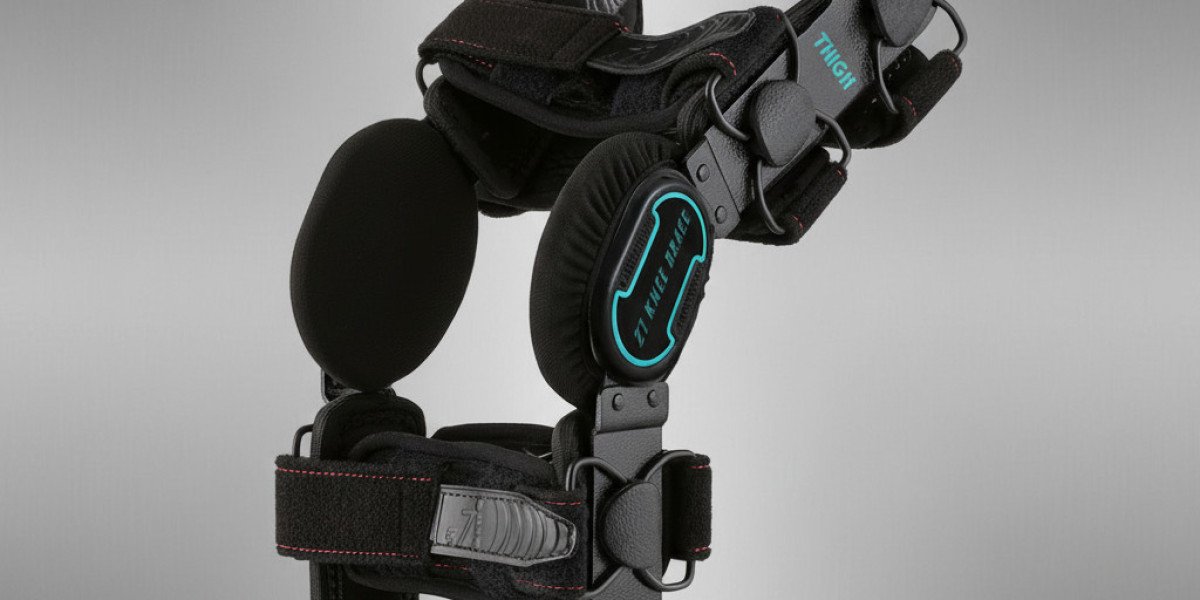
Sports injury braces are orthopedic support devices worn around injured or vulnerable joints. Their main purpose is to limit harmful movement while allowing safe motion. They are commonly used for injuries involving the knee, ankle, wrist, elbow, shoulder, and back.
These braces are made using elastic materials, neoprene, metal hinges, or rigid frames depending on the injury severity and sport type.
Common Sports Injuries That Require Braces
Sports injury braces are often recommended for the following conditions:
Ligament injuries (ACL, MCL, PCL, LCL)
Muscle strains and sprains
Joint instability
Meniscus tears
Tendon inflammation
Post-surgery rehabilitation
Recurrent sports injuries
Athletes in football, cricket, basketball, running, badminton, and gym training frequently rely on braces for protection and recovery.
Types of Sports Injury Braces
1. Knee Braces
Knee braces are the most commonly used sports injury braces. They support ligaments, reduce stress on the joint, and prevent twisting injuries during movement.
2. Ankle Braces
Ankle braces help control side-to-side motion and are ideal for sports involving jumping and sudden direction changes.
3. Wrist and Hand Braces
These braces stabilize the wrist and reduce strain during weightlifting, tennis, or repetitive movements.
4. Elbow Braces
Used for conditions like tennis elbow or golfer’s elbow, they reduce pressure on tendons and improve performance.
5. Shoulder Braces
Shoulder braces limit excessive rotation and support recovery after dislocations or muscle injuries.
Benefits of Sports Injury Braces
Provide joint stability during movement
Reduce pain and swelling
Prevent re-injury
Improve confidence during sports
Support faster healing
Help maintain proper alignment
Many athletes return to activity sooner when braces are used correctly under medical guidance.
Sports Injury Braces for Prevention
Braces are not only for recovery—they are also widely used for injury prevention. Athletes with previous injuries or weak joints often wear preventive braces to avoid repeat damage. This is especially helpful in high-impact and contact sports.
How to Choose the Right Sports Injury Brace
When selecting a sports injury brace, consider:
Type of injury
Severity level
Sport activity intensity
Comfort and fit
Material quality
Doctor or physiotherapist recommendation
A poorly fitted brace can reduce effectiveness or cause discomfort, so proper sizing is essential.
When Should You Avoid Using a Brace?
While braces are beneficial, overuse without professional advice may weaken muscles over time. Braces should be used as a support tool, not as a permanent replacement for muscle strength training and rehabilitation exercises.
Conclusion
Sports injury braces play a crucial role in protecting athletes and supporting recovery. Whether used for injury management or prevention, the right brace can significantly improve safety, performance, and confidence during sports activities. For best results, always combine brace usage with proper physiotherapy, rest, and strengthening exercises.