
The laser cleaner machine has emerged as a transformative tool in modern industrial and commercial applications, redefining how surfaces are maintained and treated across a wide range of materials. With its ability to handle precision cleaning, the laser cleaner machine has gained attention for its efficiency, adaptability, and impact in sectors where traditional cleaning methods are limited. From heavy industries to delicate equipment maintenance, the laser cleaner machine provides a solution that seamlessly integrates technology with practical operational needs.
A laser cleaner machine operates using advanced laser technology, targeting contaminants, residues, and coatings on surfaces with pinpoint accuracy. The intensity and focus of the laser allow it to address areas that were previously challenging to clean effectively. As a result, the laser cleaner machine is increasingly seen as an essential component in workflows that demand precision and reliability, particularly in sectors such as aerospace, automotive, electronics, and manufacturing.
One of the remarkable aspects of the laser cleaner machine is its ability to process a wide array of materials. Metals, ceramics, composites, and even certain plastics can be treated without causing structural damage. The versatility of the laser cleaner machine ensures that industries can adopt it for multiple applications, ranging from surface preparation to removing stubborn residues and coatings. Businesses adopting the laser cleaner machine often experience a streamlined workflow, where cleaning, preparation, and restoration processes are completed with greater speed and accuracy.
The operational environment for the laser cleaner machine is diverse. Industrial plants, maintenance workshops, and production lines have all benefited from the introduction of this technology. Its adaptability allows for integration into existing processes, offering a modern approach to surface maintenance. By providing a method that can be both automated and manually guided, the laser cleaner machine accommodates different operational requirements, empowering businesses to tailor its use to specific applications.
Safety and precision are central to the laser cleaner machine. Unlike mechanical cleaning methods, it reduces the risk of abrasion and surface damage. Operators can direct the laser to the exact areas requiring attention, ensuring thorough and focused cleaning. This precision contributes to the machine’s reputation as a reliable tool for maintaining high-quality standards in industrial and commercial environments. The controlled operation of the laser cleaner machine also enables consistent results, which is essential for maintaining uniformity in production and maintenance tasks.
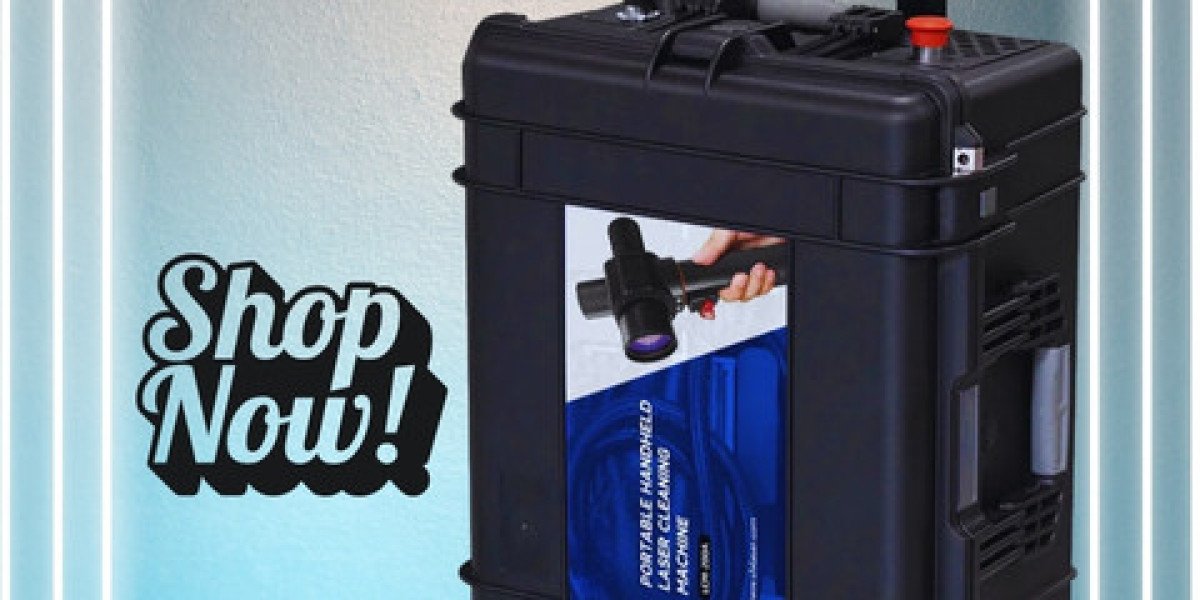
Innovation in the laser cleaner machine has led to compact and portable models that allow businesses to deploy them in areas previously considered inaccessible. Whether for large-scale industrial applications or smaller, more delicate tasks, the laser cleaner machine offers flexibility that enhances operational efficiency. The growing availability of portable versions ensures that even remote or specialized sites can benefit from the advanced capabilities of the laser cleaner machine without significant infrastructure adjustments.
The environmental impact of the laser cleaner machine also positions it as a forward-thinking solution. Traditional cleaning methods often rely on chemicals, abrasive materials, or processes that generate secondary waste. In contrast, the laser cleaner machine utilizes focused energy to remove unwanted substances from surfaces, minimizing the need for additional materials and reducing waste. This aspect of the laser cleaner machine aligns with sustainability goals while maintaining operational effectiveness.
Industries that require frequent maintenance of critical components have found the laser cleaner machine indispensable. For instance, in the aerospace sector, where the integrity of components is vital, the laser cleaner machine provides a method to clean and maintain parts without compromising structural integrity. Similarly, automotive manufacturers use the laser cleaner machine to prepare surfaces and maintain equipment, ensuring performance and longevity. The consistency and reliability of results from the laser cleaner machine make it a trusted partner across these industries.
Research and development continue to push the capabilities of the laser cleaner machine, introducing new wavelengths, power levels, and operational modes. These innovations expand the range of applications, making the laser cleaner machine suitable for even more specialized tasks. Companies that invest in the latest laser cleaner machine technology often find it to be a differentiator, enhancing productivity and supporting quality assurance measures.
Training and skill development are also integral to the effective use of a laser cleaner machine. Operators learn how to harness the machine’s precision and power for maximum impact, adapting their approach to different surfaces and contaminants. The learning curve for the laser cleaner machine is balanced by the immediate improvements it brings to cleaning processes, reinforcing its value in operational workflows.
The global adoption of the laser cleaner machine continues to rise as industries recognize the benefits of integrating advanced technology into routine maintenance and production processes. From urban manufacturing hubs to specialized repair centers, the laser cleaner machine has become a standard tool that supports efficiency, precision, and reliability. Its presence in the market reflects a shift toward intelligent, technology-driven solutions that streamline complex tasks.
In addition to industrial applications, the laser cleaner machine has found a niche in restoration and preservation projects. Historical artifacts, artworks, and delicate surfaces can be cleaned and restored using the laser cleaner machine, highlighting its versatility beyond conventional industrial use. The machine’s ability to clean without introducing additional chemicals or abrasive contact makes it ideal for environments where preservation of the original material is critical.
The operational advantages of the laser cleaner machine are further complemented by its ability to enhance productivity. Faster cleaning times, precise targeting, and minimal setup allow organizations to complete tasks more efficiently. This contributes to overall operational optimization, ensuring that the laser cleaner machine not only performs a critical function but also supports broader business objectives.
In summary, the laser cleaner machine represents a significant advancement in surface cleaning and maintenance technology. Its application spans industries, materials, and environments, offering a precise, efficient, and versatile solution. With ongoing innovation, global adoption, and continued development, the laser cleaner machine stands as a key asset for businesses seeking modern approaches to surface treatment and operational excellence.