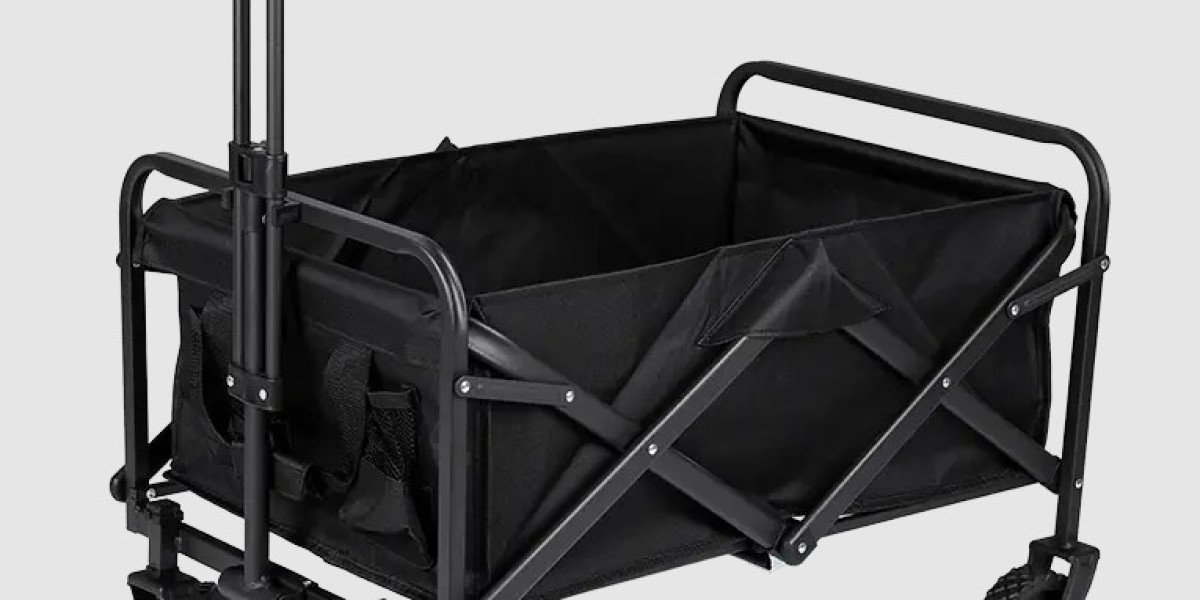

Folding carts have become widely used tools for transporting items in a variety of settings. Their structure allows them to collapse into compact forms while still offering enough capacity to move supplies, equipment, or personal belongings. This balance between portability and function makes folding carts suitable for households, outdoor activities, and shared workspaces.
One of the defining features of folding carts is their collapsible frame. When not in use, the cart can be folded flat or into a small shape that fits easily in a vehicle trunk, storage closet, or garage corner. This design supports users who value space efficiency and flexibility. Unlike rigid carriers, folding carts adapt to changing needs without requiring permanent storage space.
Materials used in folding carts vary depending on their intended purpose. Frames are commonly made from steel or aluminum to provide structural support while keeping weight manageable. Fabric panels or solid bases are used to hold cargo, often reinforced at stress points. Wheels are designed to handle different surfaces, such as pavement, grass, or gravel, allowing carts to move smoothly across varied terrain.
In residential settings, folding carts assist with routine tasks. They are often used for grocery transport, laundry movement, or organizing items during home projects. By reducing the need for repeated lifting, folding carts help users move heavier loads in a more controlled manner. Handles with adjustable height further improve comfort for people of different statures.
Outdoor use is another area where folding carts show versatility. They are commonly brought to parks, campsites, or beaches to carry food containers, blankets, and recreational gear. Large wheels help manage uneven ground, while weather-resistant fabrics protect contents from light moisture or dust. After use, the cart can be folded and stored without much effort.
Maintenance of folding carts is relatively straightforward. Cleaning fabric surfaces and checking wheel alignment help extend usability. Folding mechanisms should be inspected occasionally to ensure smooth operation. These simple steps help maintain reliability without complex upkeep.
Design variations reflect different user priorities. Some folding carts include side pockets, removable liners, or braking systems on wheels. Others focus on minimal design for quick setup and breakdown. This range allows users to select a model that fits their routine rather than adapting their routine to the cart.
Overall, folding carts serve as adaptable tools that support movement and organization. Their presence in daily life reflects a growing preference for equipment that saves space while handling practical demands.