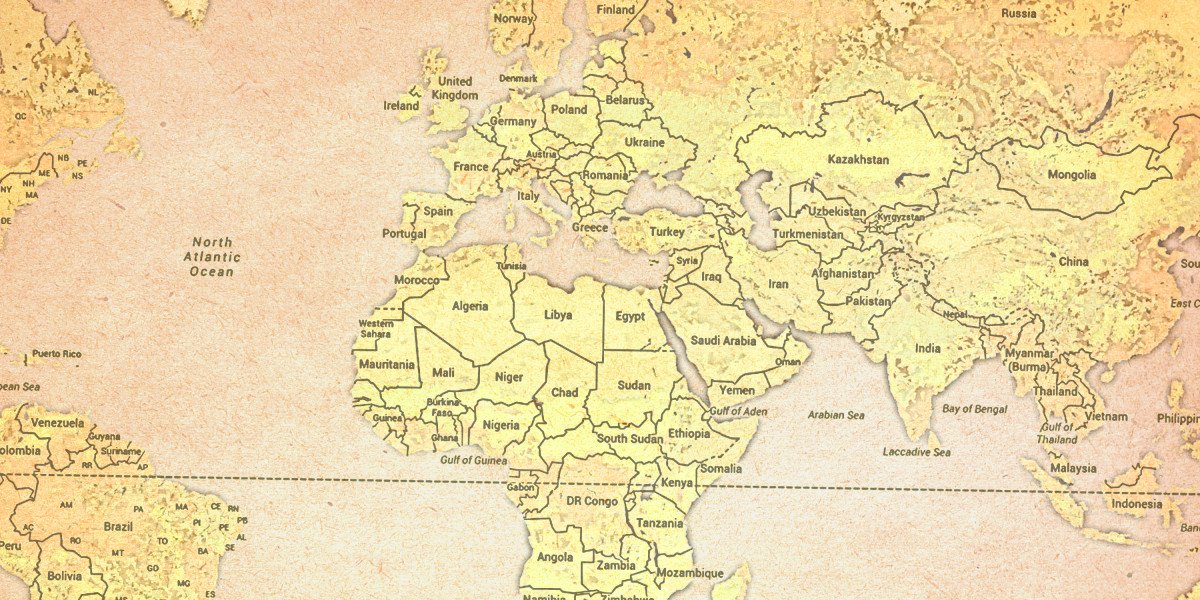

The aviation industry has undergone significant transformations over the past few decades, with executive jet charter services emerging as a crucial component of air travel. These services cater to a diverse clientele, including business executives, celebrities, and government officials, offering them the flexibility, convenience, and privacy that commercial airlines often cannot provide. This article explores the evolution of executive jet charter services, their operational dynamics, economic implications, and the future trajectory of this niche sector in aviation.
Historical Context
The roots of executive jet travel can be traced back to the mid-20th century when the introduction of business jets revolutionized corporate travel. The first purpose-built business jet, the Lockheed JetStar, was introduced in 1961, marking a turning point in how companies approached air travel. Business leaders began to recognize the value of time and the importance of maintaining a competitive edge, prompting a shift towards private air travel.
The 1980s saw the deregulation of the airline industry in the United States, which further fueled the growth of executive jet charters. With fewer restrictions and increased competition among airlines, private jet services flourished. As a result, a variety of charter companies emerged, offering tailored services to meet the specific needs of their clients.
Operational Dynamics
Executive jet charter services operate on a model that emphasizes flexibility and customization. Clients can book flights on-demand, choosing their departure and arrival times, routes, and private jets charter aircraft types. This level of personalization is a significant advantage over commercial airlines, private jets charter where schedules are often rigid and limited.
Charter companies maintain a diverse fleet of aircraft, ranging from light jets to large cabin aircraft, enabling them to accommodate different client needs. Light jets, such as the Cessna Citation and Embraer Phenom, are ideal for short-haul flights, while larger jets like the Gulfstream G650 cater to long-distance travel with enhanced comfort and amenities. This versatility allows charter services to appeal to a wide range of customers, from small businesses to multinational corporations.
Moreover, the use of advanced technology has streamlined the booking process. Clients can now access online platforms to compare prices, view aircraft availability, and private jets charter make reservations in real-time. This technological integration has made executive jet travel more accessible and user-friendly.
Economic Implications
The executive jet charter industry has significant economic implications, contributing to job creation, tourism, and local economies. According to the National Business Aviation Association (NBAA), the business aviation sector supports over 1.2 million jobs in the United States alone and generates approximately $150 billion in economic output annually.
Furthermore, executive jet charters play a vital role in connecting remote regions and facilitating business operations in areas that may lack commercial airline service. This connectivity can help stimulate local economies by attracting businesses and tourists, ultimately contributing to regional development.
However, the industry is not without its challenges. Economic downturns and global crises, such as the COVID-19 pandemic, can severely impact demand for private jet charters. During the pandemic, many charter companies faced significant revenue losses as travel restrictions were imposed and businesses curtailed their travel budgets. Nonetheless, the industry has shown resilience, with a notable rebound in demand as travel restrictions eased and businesses adapted to new operating models.
Environmental Considerations
As the demand for Private Jets charter executive jet charters grows, so do concerns regarding their environmental impact. Aviation is a significant contributor to greenhouse gas emissions, and private jets are often scrutinized for their carbon footprint. In response, the industry is taking steps to promote sustainability and reduce emissions.
Many charter companies are investing in more fuel-efficient aircraft and exploring alternative fuels to minimize their environmental impact. Additionally, some operators are implementing carbon offset programs, allowing clients to compensate for their flights' emissions through investments in renewable energy projects or reforestation initiatives.
The introduction of electric and hybrid aircraft also holds promise for the future of executive jet travel. These innovations could significantly reduce emissions and operational costs, making private air travel more sustainable and appealing to environmentally conscious consumers.
The Future of Executive Jet Charter Services
The future of executive jet charter services appears promising, driven by technological advancements, changing consumer preferences, and a growing emphasis on sustainability. As more individuals and businesses recognize the value of time and the benefits of personalized travel, the demand for executive jet charters is expected to continue its upward trajectory.
Innovations such as artificial intelligence and big data analytics are poised to enhance operational efficiency and customer experience. Charter companies can utilize data to optimize flight routes, reduce costs, and tailor services to individual client preferences. Additionally, the rise of the "on-demand economy" has created a culture of immediacy, further fueling the demand private jets charter for flexible travel options.
Furthermore, as the industry navigates the challenges of environmental sustainability, the development of green technologies and practices will be critical. The transition to electric and hybrid aircraft, along with the adoption of sustainable aviation fuels, will play a significant role in shaping the future landscape of executive jet travel.
Conclusion
Executive jet charter services have evolved into a vital segment of the aviation industry, providing unparalleled convenience, flexibility, and privacy for travelers. Here's more information regarding private jets charter stop by our own web site. Despite facing challenges, including economic fluctuations and environmental concerns, the industry has demonstrated resilience and adaptability. As technological advancements continue to reshape the travel landscape and sustainability becomes a priority, executive jet charters are likely to remain a preferred mode of transport for those seeking efficiency and luxury in air travel. The future of this sector will depend on its ability to innovate and respond to the changing dynamics of the global travel market, ensuring that it meets the needs of its diverse clientele while contributing positively to the economy and the environment.