
The BAPE hoodie holds a unique place in global streetwear. Since the early days of A Bathing Ape, the hoodie has functioned not just as apparel but as a cultural symbol. Its bold graphics, signature camouflage, and distinct silhouettes have established it as one of the most recognizable garments in fashion. Today, interest in the BAPE hoodie continues to rise across search engines, fashion forums, and retail platforms, driven by collector culture, strong resale value, and the brand’s commitment to innovation.
This article provides an in-depth look at the BAPE hoodie, the design philosophy behind it, the popular styles, and how the broader ecosystem of BAPE clothing—including BAPE jackets, BAPE shorts, BAPE shirts, and BAPE shoes—supports the brand’s influence.
Origins of the BAPE Hoodie
A Bathing Ape (commonly known as BAPE) was founded by Nigo in 1993 in Harajuku, Tokyo. The brand quickly gained traction because it offered something visually and stylistically different from anything on the market. When the first BAPE hoodies appeared, they became instant statement pieces. Their bold graphics contrasted with the simpler streetwear styles of the era, making them immediately memorable.
Over time, the hoodie became the brand’s signature product, evolving through new colors, collaborative designs, and limited releases.
Why the BAPE Hoodie Remains in High Demand
1. Distinctive Visual Identity
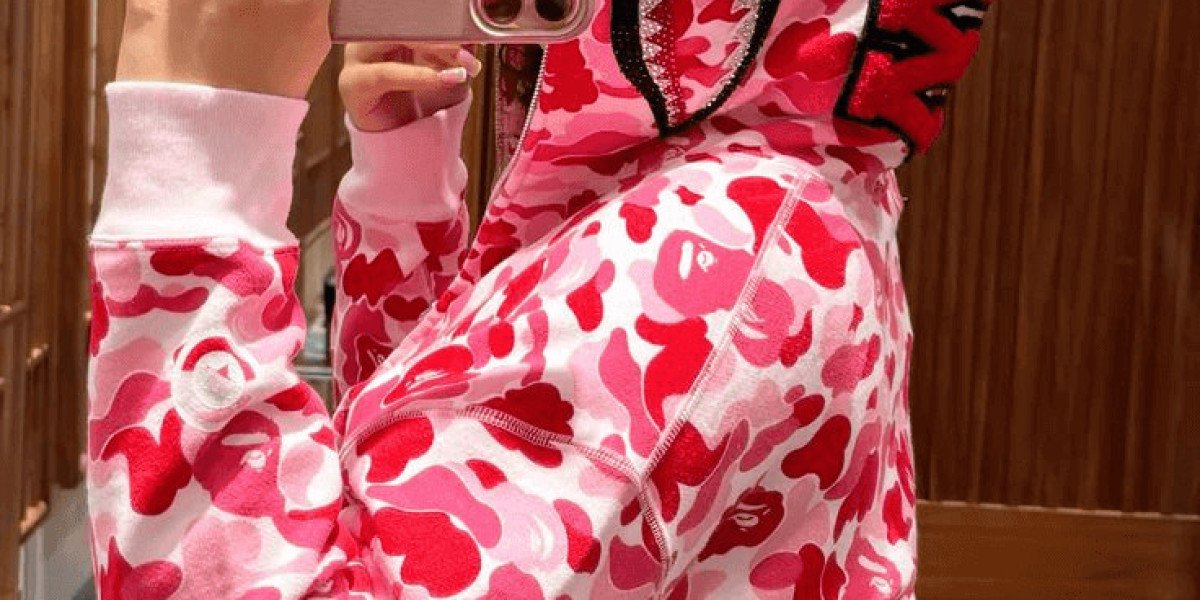
BAPE developed its own version of camouflage—ABC camo—which includes hidden Ape Head motifs within the pattern. This camo, along with the brand’s shark face and full-zip construction, makes the hoodie instantly identifiable. Unlike generic camo prints, the BAPE version feels intentional and artistic.
2. High-Quality Construction
Authentic BAPE hoodies use heavyweight cotton, sturdy zippers, precision stitching, and durable printing methods. This quality contributes to long wear-life and higher resale value. Counterfeit versions attempt to replicate the design but rarely match the craftsmanship.
3. Limited Availability
BAPE frequently utilizes limited drops, meaning many designs are not restocked. This scarcity increases both demand and cultural interest. Once a hoodie sells out, it often becomes a collectible item.
4. Cultural Influence
From early 2000s hip-hop to modern streetwear, the BAPE hoodie has been worn by influential artists, athletes, and creatives. The garment’s presence in music videos, fashion editorials, and street photography has kept it relevant for decades.
Popular Types of BAPE Hoodies
Search data consistently highlights a few styles that draw the most attention:
BAPE Shark Hoodie
Perhaps the most iconic version. The full-zip hood closes completely over the face, forming a shark mouth and eye graphics. It remains one of the most distinctive silhouettes in streetwear.
BAPE ABC Camo Hoodie
A classic pattern available in green, blue, red, pink, and seasonal variations. This hoodie is often the first choice for new buyers entering the BAPE ecosystem.
BAPE Space Camo Hoodie
A modern variation featuring space-inspired graphics layered over the brand’s signature camo. These hoodies often attract collectors looking for something more experimental.
BAPE College Logo Hoodie
A simpler silhouette with the logo printed across the chest. This version appeals to those who prefer minimal branding but still want the BAPE identity.
Collaboration Hoodies
BAPE has collaborated with numerous global brands, including Marvel, Adidas, Hello Kitty, Pokémon, and The Weeknd. These hoodies typically become high-value items due to their limited nature.
How the BAPE Hoodie Fits into the BAPE Clothing Ecosystem
One reason the BAPE hoodie maintains popularity is that it works seamlessly within the broader range of BAPE clothing.
BAPE Jackets
Layering a BAPE hoodie under a BAPE bomber or puffer creates a structured, cohesive outfit. Many jackets use similar camo patterns, making them ideal for matching or contrasting.
BAPE Shirts
Graphic tees and long-sleeve BAPE shirts pair naturally with hoodies, especially when the hoodie is left unzipped for a layered look.
BAPE Shorts
In warmer weather, BAPE shorts—sometimes featuring matching camo—create a bold seasonal outfit. Mesh shorts, fleece shorts, and cargo shorts remain particularly popular.
BAPE Shoes
The Bapesta sneaker line complements the hoodie’s visual identity. The sharp edges, glossy materials, and color blocking align perfectly with BAPE’s signature aesthetic.
Together, these categories form a cohesive wardrobe that balances function, style, and visual complexity.
How to Spot an Authentic BAPE Hoodie
Before buying, consider these authenticity indicators:
- Thick, weighty cotton fabric
- High-definition prints
- Woven neck tags with correct font spacing
- Ape Head zipper pulls (on specific models)
- Accurate camo alignment across seams
- Interior wash tags with proper stitching
- Crisp logo edges with no bleeding or fading
Because the market contains many replicas, confirming authenticity is essential before purchasing from third-party sellers.
Where to Buy an Authentic BAPE Hoodie
The best way to avoid purchasing counterfeit items is to buy from authorized retailers or stores that specialize in verified BAPE clothing. Among trusted options is:
thebapehoodie.us
This site offers a curated selection of authentic BAPE hoodies, BAPE jackets, BAPE shirts, BAPE shorts, and BAPE shoes. Buying from established, reputable platforms ensures the materials, construction, and details match genuine BAPE standards.
Why the BAPE Hoodie Has Staying Power
Three decades after its introduction, the BAPE hoodie still stands strong in global fashion. It achieves the rare balance of exclusivity, artistic design, and cultural relevance. Unlike many trends that fade, the hoodie continues to evolve through new collaborations, colorways, and seasonal releases.
Collectors value it. New streetwear fans seek it. Artists champion it. And visually, it remains one of the most recognizable garments in modern wardrobe history.
The BAPE hoodie is no longer simply apparel. It is part of the identity of contemporary streetwear—a bridge between Japanese fashion innovation and global creative culture.
What is Essentials clothing, and how come so popular?
Essentials is a famous line of clothing brand of Fear of God. It is admired because of its clean and minimalist style and its attention to high quality basics such as hoodies, sweatshirts among other day-to-day garments. The brand was founded by Jerry Lorenzo and provides contemporary and trendy items of the streetwear style at lower-priced points. It is also valued by people due to its soft oversized fits and neutral color range as the items are easy to mix and match with almost any thing.
Does Fear of God make Essentials clothing?
Yes. Essentials belongs to the Fear of God family, which is also cofounded by Jerry Lorenzo. The brand was introduced in 2018 and targets the everyday wear market including tracksuits, T-shirts, hoodies, and sweatpants. As Fear of God is placed in the high-end fashion category, Essentials offers the same style but in a more simple and affordable manner. The two brands have a similar design philosophy of having clean, modern silhouettes.
What is the fit of Essentials clothing?
Essentials are characterized by the relaxed and oversized fit that makes them particularly comfortable. Dropped shoulders and additional length are also characteristic of hoodies and T-shirts to appear streetwear inspired. Sweat pants and shorts are loose but fitted. You can make it smaller in case you want it tighter or you can leave it at your usual size because it has a looser fit.
Who is the owner of Essentials clothing?
Essentials is owned by Jerry Lorenzo, the American fashion designer of Fear of God. In 2018, he launched Essentials line to sell high quality and everyday clothes at a lower cost. The range consists of hoodies, sweatshirts, pants and T-shirts, which usually cost between 40 and 200 dollars with an aim of offering well-designed and well-crafted products to the masses.