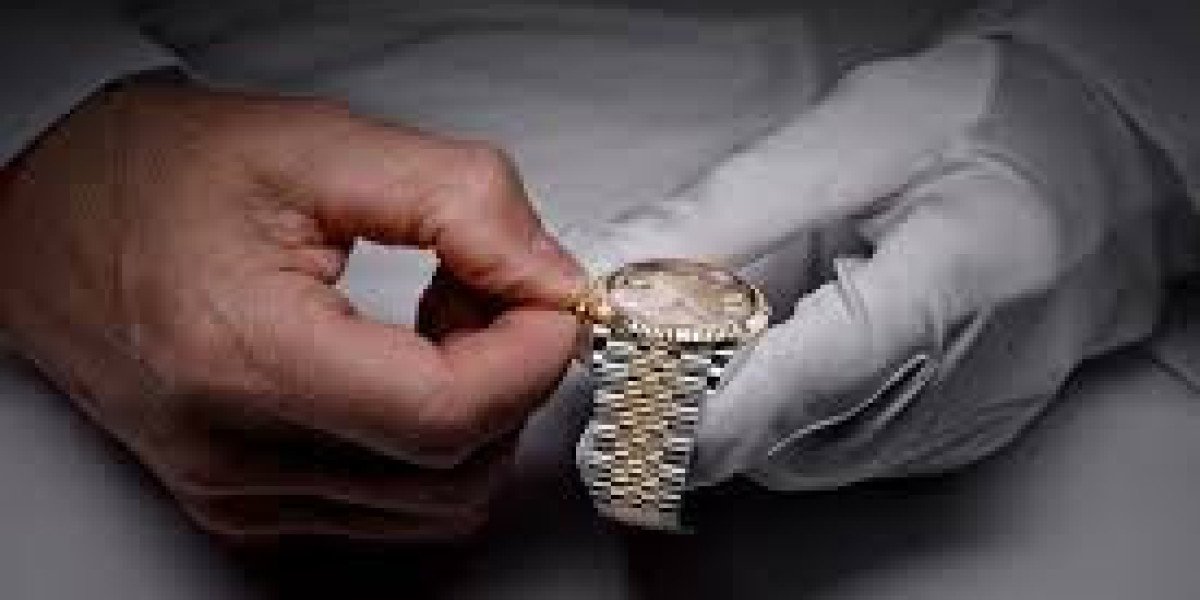

Plenty of places can change a battery or polish a bracelet. But Rolex watches are built with tight tolerances, high-end materials, and extremely precise movements. That means:
Tiny mistakes can have big consequences
Generic parts can ruin performance and value
Over-polishing can destroy the crisp lines and “factory feel” of the case
A Rolex is designed to last for decades – often generations – but only if it’s serviced correctly. Proper Rolex watch repair is less about “quick fixes” and more about long-term preservation.
Common Rolex issues that signal it’s time for a repair
Even the best watches need attention. Here are some of the most common signs your Rolex is asking for help.
1. Losing or gaining significant time
A few seconds here and there is normal, but if your Rolex starts gaining or losing minutes per day, something’s off. Possible causes include:
Dried or degraded lubricants
Worn components in the escapement or gear train
Magnetisation from electronics or speakers
Shock damage from impact
A skilled watchmaker will diagnose the real cause instead of simply “regulating” the watch and sending you home with a temporary fix.
2. Power reserve problems
Your Rolex stops overnight, even though you wear it all day? That might mean:
The automatic winding system isn’t working properly
The mainspring is tired or damaged
The movement is dirty and struggling to run efficiently
A proper Rolex watch repair service will check the winding rotor, mainspring barrel, and overall efficiency of the movement – not just give it a shake and say it’s fine.
3. Moisture under the crystal
Any fogging or droplets inside the crystal is a serious warning sign, especially for Rolex dive models like the Submariner or Sea-Dweller. This can happen when:
Gaskets and seals have aged
Crown or pushers weren’t fully screwed down
The watch took a heavy knock that compromised water resistance
Moisture can rust delicate steel parts, stain the dial, and damage hands and lume. This is where speed matters: the sooner you get it to an expert, the more of your watch can be saved.
4. Worn bracelet or loose clasp
Rolex bracelets are robust, but years of daily wear cause stretch, loose links, and tired clasps. You might notice:
The bracelet sagging more than it used to
Pins and screws working themselves loose
Clasp not closing as securely
These aren’t just cosmetic issues – a weak bracelet can cost you a very expensive watch if it fails at the wrong time.
What a proper Rolex watch repair should include
If a repair quote looks suspiciously cheap or “too quick,” it usually means corners are being cut. A serious Rolex service from a dedicated workshop is a multi-step process that puts the long-term health of your watch first.
Here’s what you should expect from a professional Rolex watch repair:
1. Detailed inspection and diagnosis
Visual inspection of case, crown, bezel, dial, and hands
Timing tests in multiple positions
Evaluation of water resistance (when appropriate)
Checking the state of gaskets, crystal, and bracelet
This stage isn’t just to confirm the obvious issue; it’s to uncover hidden problems that could become expensive later.
2. Full disassembly of the movement
For a proper overhaul, the movement is completely taken apart:
Every wheel, pinion, spring, and jewel is examined
Worn or damaged parts are identified
Old lubricants and microscopic dirt are removed
This is where specialised knowledge and experience with Rolex movements truly matter.
3. Ultrasonic cleaning and parts replacement
All components go through professional cleaning machines. Then the watchmaker:
Replaces worn parts with the correct specifications
Ensures compatibility with the model and movement family
Checks tolerances so the rebuilt movement can perform like it should
Using the wrong or cheap generic parts is a shortcut that can cost you in timekeeping, water resistance, and resale value.
4. Reassembly, lubrication, and regulation
This is where the watch comes back to life:
Fresh, high-grade oils are applied only where needed
The movement is reassembled carefully, piece by piece
The watch is regulated for accuracy in different positions
For Rolex watch repair, this regulation step is key – it’s what separates a watch that “runs” from one that runs beautifully within its intended specs.
5. Case, crystal, and bracelet work
Depending on the condition and your preferences, a top workshop can:
Replace or polish the crystal
Lightly refinish the case and bracelet to restore original brushing and shine
Remove scratches while preserving edges and factory contours
Adjust bracelet, replace worn pins or screws, and secure the clasp
Refinishing Rolex steel and gold requires a delicate hand. Too much polishing and your watch can lose its character and sharpness.
6. Final testing
Before it leaves the bench, a properly repaired Rolex should go through:
Timing tests across several days
Power reserve checks
Water-resistance tests for suitable models
Functional checks of date, bezel, chronograph, GMT hand, or other complications
Only after passing these tests should the watch go back on your wrist.
Why a specialist like AG Watch Repair Hong Kong is worth it
Roles watches deserve more than a quick fix at a random mall kiosk. When you choose a focused workshop such as AG Watch Repair Hong Kong (agwatchrepair.com.hk), you’re choosing people who treat your watch like a serious instrument, not just another job on the shelf.
A specialist offers:
Deep experience with luxury brands – understanding how different Rolex calibres behave, where they tend to wear, and how to bring them back to spec
Proper equipment – timing machines, pressure testers, ultrasonic cleaners, and precision tools specifically for fine watchmaking
Careful finishing – refinishing metal in a way that respects the original lines and proportions
Clear communication – explaining what’s wrong, what needs to be done, and what it will cost before they start
For Rolex owners in Hong Kong and beyond, having AG Watch Repair Hong Kong as a trusted partner means peace of mind every time you send a watch in.
How often should you service your Rolex?
Service intervals vary depending on age, usage, and model, but as a general guideline:
Every 5–10 years for modern Rolex watches under normal wear
Sooner if:
You use your watch frequently in water or harsh environments
You notice accuracy problems
You see moisture, hear rattling, or feel something isn’t right
If you’re unsure, a quick inspection by a professional is always better than waiting until a minor issue becomes a major repair.
Simple habits that reduce Rolex repair costs
Good habits can dramatically cut down on how often your watch needs major work:
Always screw down the crown on Oyster cases before going near water
Avoid strong magnets (speakers, bags with magnetic clasps, phone cases)
Rinse with fresh water after swimming in the sea or pool
Store properly in a dry place, ideally in a watch box or safe
Don’t DIY – avoid prying open casebacks, pushing crowns underwater, or trying to polish the watch aggressively at home
These small steps protect your Rolex and help your next service be routine rather than a rescue mission.
Final word: Rolex watch repair is an investment, not an expense
A Rolex is built to outlast trends, phones, and even cars. With proper care and expert servicing, it can become a lifelong companion – or a treasured heirloom passed down.
That’s why Rolex watch repair should never be a race to the lowest price. It’s about trust, expertise, and respect for the craft. By choosing a dedicated specialist such as AG Watch Repair Hong Kong (agwatchrepair.com.hk), you’re making sure your watch gets the right treatment today, so it can keep telling your story for decades to come.