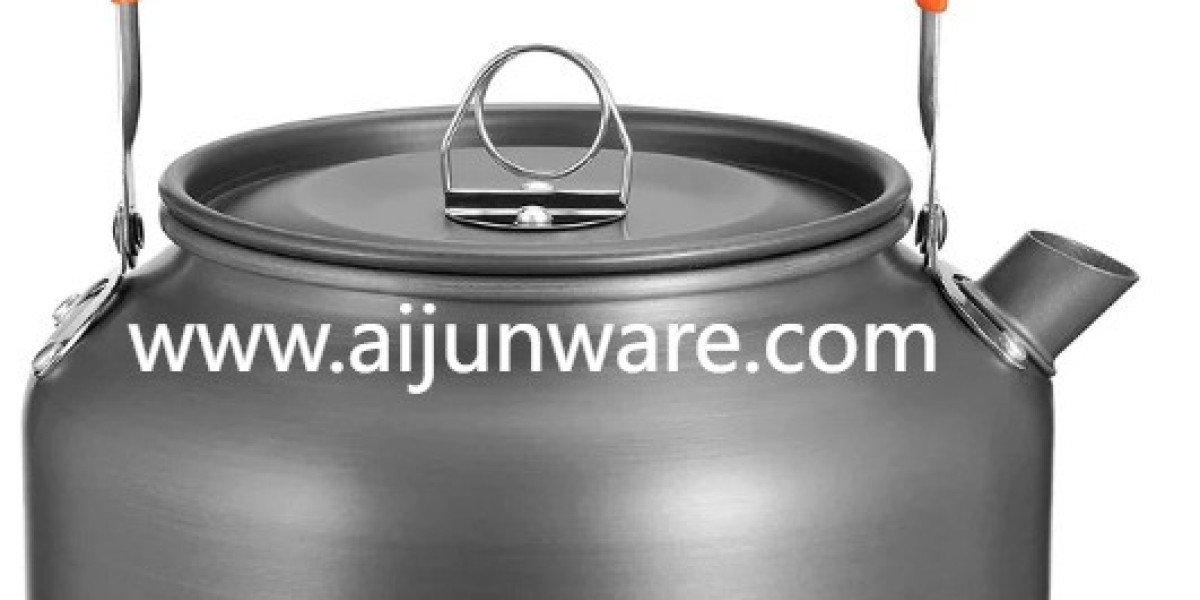

Light pack days and long miles on the trail make every ounce matter, and a reliable Camping Water Pot can be the single item that saves fuel time and stress on a multiday trek. For thru hikers who shave weight and still want the ability to boil, melt snow, and prepare hot meals, the right pot balances capacity, material, and the way it nests with other gear. This guide walks through what matters when you build an ultralight cook setup so your pot works as hard as you do on the route.
Start with mission not marketing. Ask whether you really need to melt snow or just rehydrate freeze dried meals and brew coffee. That answer narrows capacity choices and helps avoid carrying dead weight. Solo hikers who move fast often choose a compact vessel that boils modest amounts quickly. Lightweight groups may share a slightly larger pot to reduce the number of items each person carries. Match the pot to the amount of water you usually need at a cooking stop rather than a theoretical maximum.
Material choices change the experience on trail. Aluminum is light and conducts heat quickly which shortens fuel time. It may dent when dropped but it makes sense when speed matters. Stainless steel is heavier but resists abrasion and cleans easily which some hikers prefer on rough routes. Titanium saves weight and resists corrosion yet can be less forgiving on thin fuel canisters. Consider how you cook and how you carry the pot before choosing material.
Shape and volume affect boil speed and fuel efficiency. A wide base exposes more water to flame and brings it to a boil faster while a tall narrow pot keeps heat concentrated and is useful when you need to conserve space in a pack. Think about the typical amount of water you boil at one time. If you often heat a half liter for a meal then pick a pot that performs efficiently at that volume. Carrying a much larger vessel than you need is a weight penalty that rarely pays off.
Integration with your stove and accessories matters. A pot that fits snugly over your burner and accepts a heat spreader will give steadier flames and reduce fuel use. Lids with a snug fit cut boil time and a tight pouring rim reduces spills when serving. Foldable handles and stackable designs make it easy to nest the pot with a cup, a stove, or a fuel canister so everything packs compactly. Replaceable parts such as detachable handles and a simple lid design also make repairs in the field more manageable.
Practical cleaning and field maintenance should not be an afterthought. Smooth interior surfaces reduce food sticking and make scouring easy at a streamside sink. If you plan to cook greasy meals occasionally choose a finish that tolerates a bit of abrasion when you need to scrub soot or residues from a campfire. Designs that avoid trapped corners and that allow you to rinse thoroughly help keep taste transfer to a minimum across days on the trail.
Weight is obvious but don’t ignore carry comfort and durability trade offs. Ultralight setups often favor minimal wall thickness and pared down features. That approach saves ounces but may shorten the life of the pot if it is frequently used for two people or over open flame. A slightly heavier pot that resists denting and that nests well with other items can be more pleasant to own when you push mileage and expect years of use.
Fuel economy and real world boil time are tied to both pot geometry and heat source. On a windy section a pot with a tight lid and a stable base will use less fuel because heat loss is reduced. If wildfire restrictions or fuel availability shape your route consider a pot that performs well over a variety of sources including canister stoves and small wood fires. That flexibility keeps you moving when plans change unexpectedly.
Finally consider the broader kit. A compact cup that doubles as a lid, a lightweight storage bag, and a small scrubber make the pot more user friendly without adding much weight. If you like solo simplicity opt for a single pot that covers cooking and drinking needs. If you share duties with a partner a slightly larger pot that reduces cook cycles may save fuel and time. For hikers who want a thoughtful balance of weight, durability, and packability Aijunware offers cookware designed to integrate with ultralight systems and everyday outdoor needs. Check the collection and compare options at www.aijunware.com/product/ .