
The Unexpected Rise of Streetwear
Once dismissed as little more than skate park attire, streetwear has stealthily evolved into the crown jewel of modern fashion. What started in the corners of surf and hip-hop culture now parades down luxury runways. Today, streetwear isn’t just a style—it’s a declaration of who you are, stitched with the spirit of youth, resistance, and reinvention.
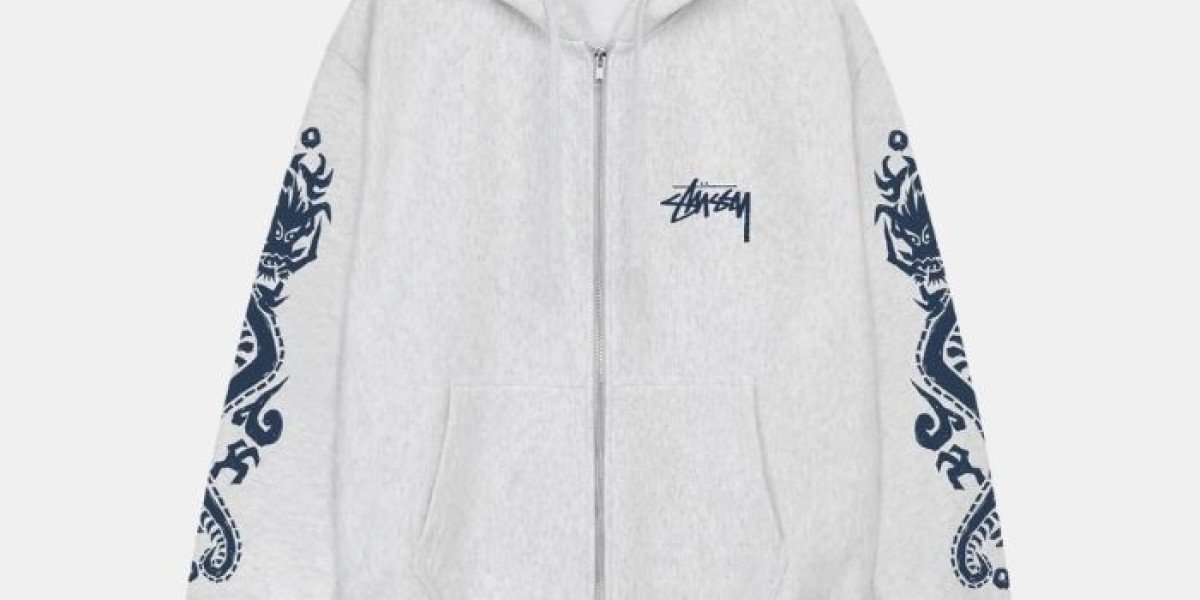
The momentum didn’t just happen by chance. It was cultivated, curated, and amplified by brands like Stüssy, which blurred the lines between utility and art. Shops like Stussy now offer exclusive drops that fuel this evolution, transforming casual wear into a collectible culture. Shop exclusive Stussyshopuk.com drops and you’ll see how a simple hoodie can feel like a ticket into a cultural movement.
The Stüssy Blueprint
Stüssy didn’t just sell T-shirts—it sold an idea. Born from Shawn Stüssy’s surfboard scribbles, the brand carried a raw authenticity that others tried, and failed, to replicate. Its hand-drawn logo became an emblem of cool, stitched across caps, jackets, and hoodies.
This wasn’t fashion dictated from on high. Instead, Stüssy’s influence bubbled up from subcultures, proving that creativity doesn’t need corporate approval to thrive. That democratic energy still pulses through every stitch today.
Threads That Speak Louder Than Words
Streetwear thrives on storytelling. A graphic tee can be a manifesto. A logo, a secret handshake among insiders. These garments aren’t just cloth; they’re declarations that whisper—or shout—identity.
The stories are layered: subcultural pride, countercultural defiance, personal nostalgia. Wearing streetwear is less about covering the body and more about broadcasting a belief system without uttering a single word.
Why Streetwear Feels Different
There’s a tactile honesty to streetwear. Hoodies with oversized silhouettes feel like armor against conformity. Sneakers become talismans of individuality. The comfort is undeniable, but it’s the deeper undercurrent—identity and rebellion—that gives streetwear its distinct flavor.
Each piece carries the aura of both relaxation and resistance, a balance few fashion genres achieve. You slip into something soft, yet step out radiating defiance.
Digital Streets, Real-World Influence
Streetwear found its megaphone online. Social platforms amplified its reach, turning limited drops into global phenomena. A single post, a well-timed collaboration, or a viral sneaker unboxing could send enthusiasts into a frenzy.
This digital symbiosis has made streetwear not just clothing, but currency. Memes, influencer nods, and digital clout give these garments value beyond their seams.
Scarcity and Hype: The Psychology of Drops
Scarcity is the oxygen of streetwear hype. Limited runs create urgency, while unpredictability keeps the community on edge. To own a rare hoodie or cap isn’t just about the product—it’s about triumph over scarcity itself.
This ritual of anticipation, queuing, and celebrating the “cop” turns shopping into sport. It’s less retail therapy, more cultural conquest.
Beyond the Clothes: Streetwear as a Movement
Streetwear’s true power lies beyond fabric. It represents community, rebellion, and belonging. For some, it’s about wearing art. For others, it’s about signaling allegiance to a tribe that thrives outside traditional norms.
It’s no longer confined to street corners or niche skate shops. Today, streetwear sits comfortably in boardrooms, music festivals, and luxury catwalks. The movement is living proof that fashion doesn’t just clothe the body—it shapes identity, culture, and collective memory.